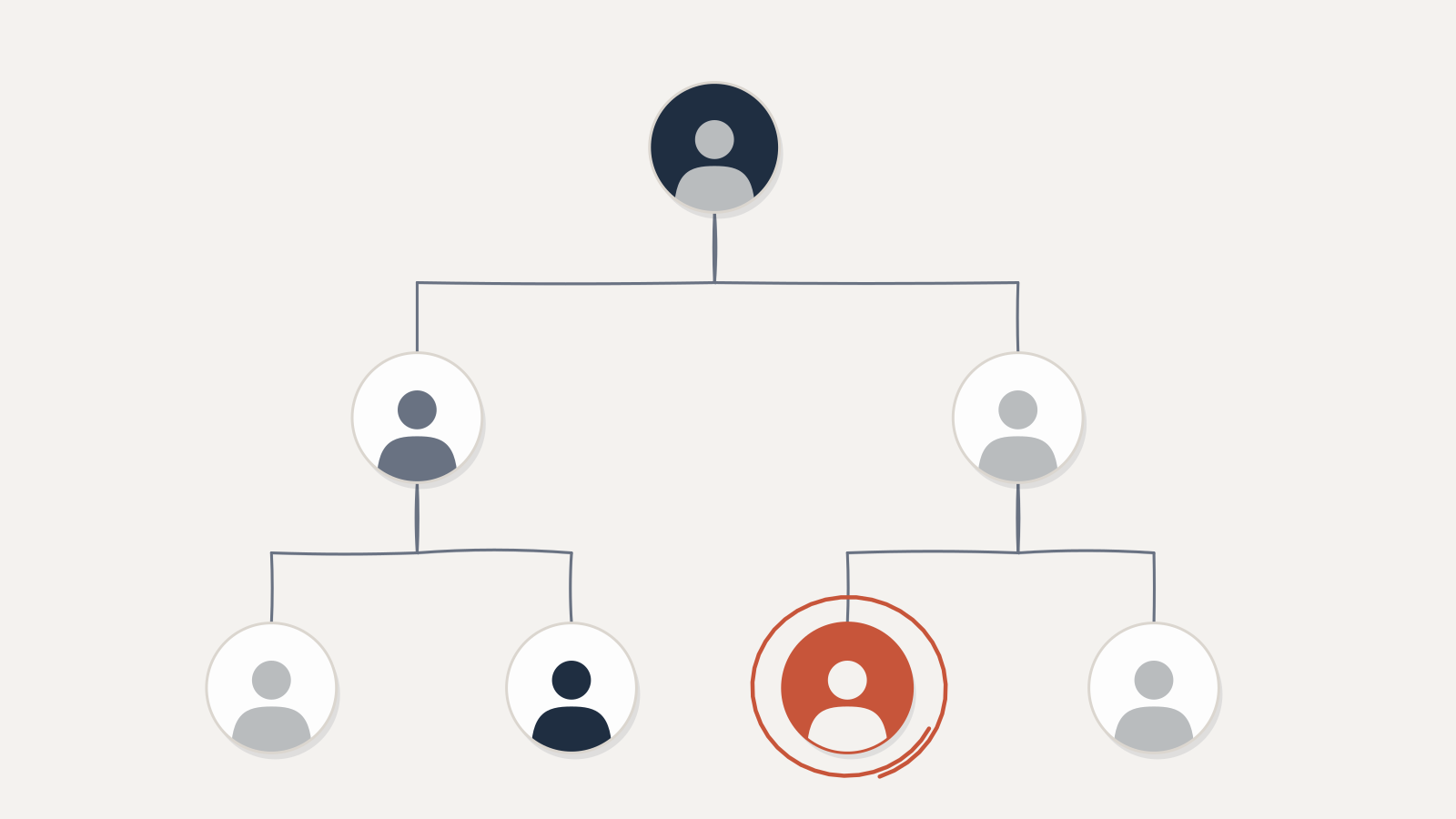
What made the biggest difference for me was learning to use organizational politics as a bridge rather than a workaround. I once needed support for a people initiative that focused on improving internal communication, and instead of pushing it top-down, I spent time getting early buy-in from a few influential peers who had the respect of their teams. By understanding who shaped opinions informally, I was able to position the initiative as something people already cared about, not another mandate.
When those stakeholders championed the effort, the rollout felt organic. They framed it in their own voice, which built trust and removed resistance before the program even launched. That experience taught me that politics, when used ethically, is really just the art of aligning with the right people at the right time to create momentum that feels collective rather than imposed.
If I had to recommend one ethical navigation strategy, it's this: be transparent about your intentions and always anchor the initiative in shared values. Don't use politics to manipulate use it to understand motivations, build alliances, and shape solutions that genuinely support the organization. When you treat influence as collaboration instead of leverage, the outcome feels good for everyone involved.