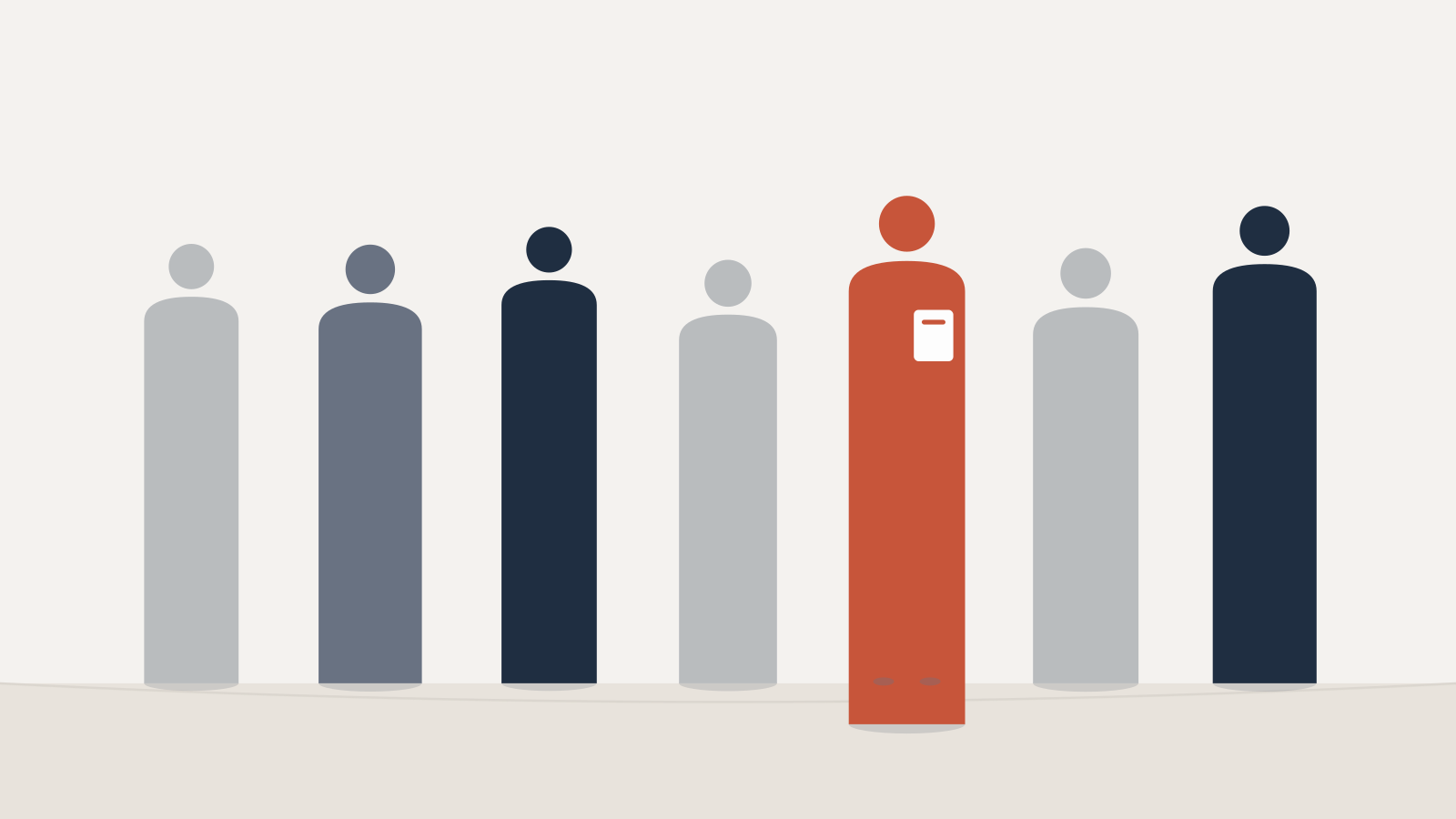
Standardizing our accommodation intake and decision workflow, rather than handling requests individually, brought about the most significant improvement.
Previously, requests for neurodiversity accommodations arrived through managers, HR emails, or casual conversations. This led to delays due to incomplete information and the need for numerous follow-ups to reach decisions. We addressed this by introducing a straightforward, structured intake form that employees could submit directly. The form prioritizes functional needs over diagnoses and features pre-set accommodation categories, including flexible schedules, communication preferences, workspace modifications, and assistive technology.
The most substantial impact resulted from combining this intake form with a matrix of pre-approved accommodations and a select group of vetted assistive technology suppliers. After a request is submitted, HR can match it to an approved solution without needing multiple approvals. For common requirements like noise-canceling devices, speech-to-text software, or task management tools, provisioning is initiated immediately.
This change reduced uncertainty for employees and eased the process for managers. Before this standardization, the average time to implement accommodations was approximately 12 to 15 business days. Following the change, this dropped to 4 to 5 days for most requests. Employees also indicated they felt more at ease requesting support due to the process being clear, confidential, and predictable.
At Wisemonk, where we handle HR operations and employee support at scale for global teams in India, this method has enabled us to provide accommodations more quickly while maintaining compliance and consistency for our clients.